Grief
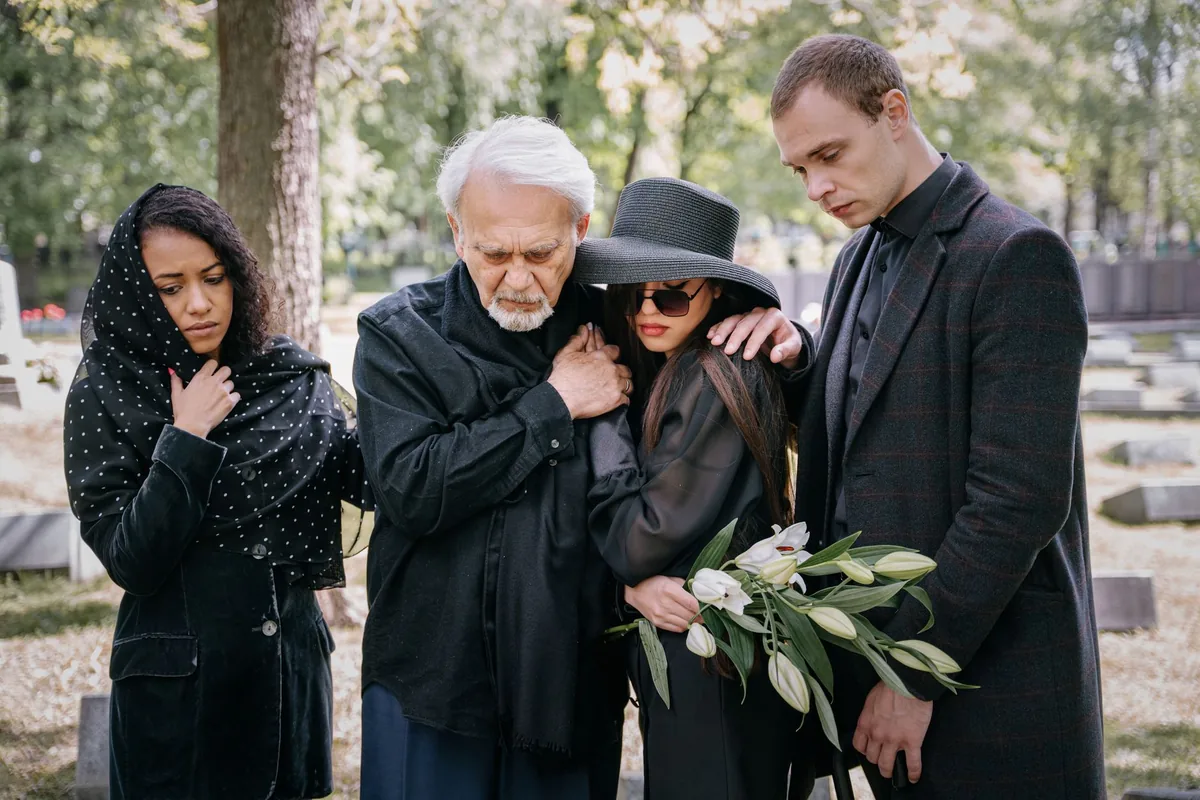
Grief is the profound and often prolonged emotional response that emerges following a significant loss, most commonly the death of a loved one. Distinguished from ordinary sadness by its depth and duration, grief is recognized across cultures and psychology as a natural process rather than a pathological condition. The intensity and character of grief vary markedly from person to person, shaped by factors such as the relationship to the deceased, the nature of the loss, and individual coping capacities.
The experience of grief rarely follows a linear or predictable path. Rather than progressing through fixed stages, grief often comes in waves—periods of acute sorrow interspersed with moments of relative calm. The emotion frequently intermingles with other feelings, including anger, guilt, confusion, or even relief, depending on the circumstances and the grieving individual's unique relationship to what was lost. These complex, shifting emotional states are typical of the grieving process.
Over time, most people gradually adapt to their loss while maintaining a continuing psychological or emotional bond with the person or thing they lost. This adaptation does not mean that grief disappears entirely, but rather that it becomes integrated into the person's ongoing life. In cases where grief remains severe and functionally disabling for an extended duration, mental health professionals may identify prolonged grief and offer appropriate support and intervention. Recognizing grief as a personal journey—one without a correct timeline or single right way to feel—helps normalize this universal human experience.
Sources: American Psychological Association — APA Dictionary: emotion; National Institute of Mental Health (NIMH) — Depression. Educational information only — not medical or psychological advice. See our sources & fact-check policy.
Frequently asked questions
What is grief?
Grief is the intense, often prolonged sorrow that follows a significant loss, most commonly the death of a loved one. It is a deeper, more enduring variety of sadness and is widely understood as a natural process rather than a disorder.…
What triggers grief?
Grief is typically triggered by bereavement and significant loss.
How is grief expressed?
Grief is commonly shown through tearfulness, withdrawal, fatigue, waves of distress.
More complex & secondary emotions
All complex & secondary emotions →
Compare the emotions
See how this emotion compares with others on valence, triggers, and expression in our side-by-side table.
Compare emotions →