Peace
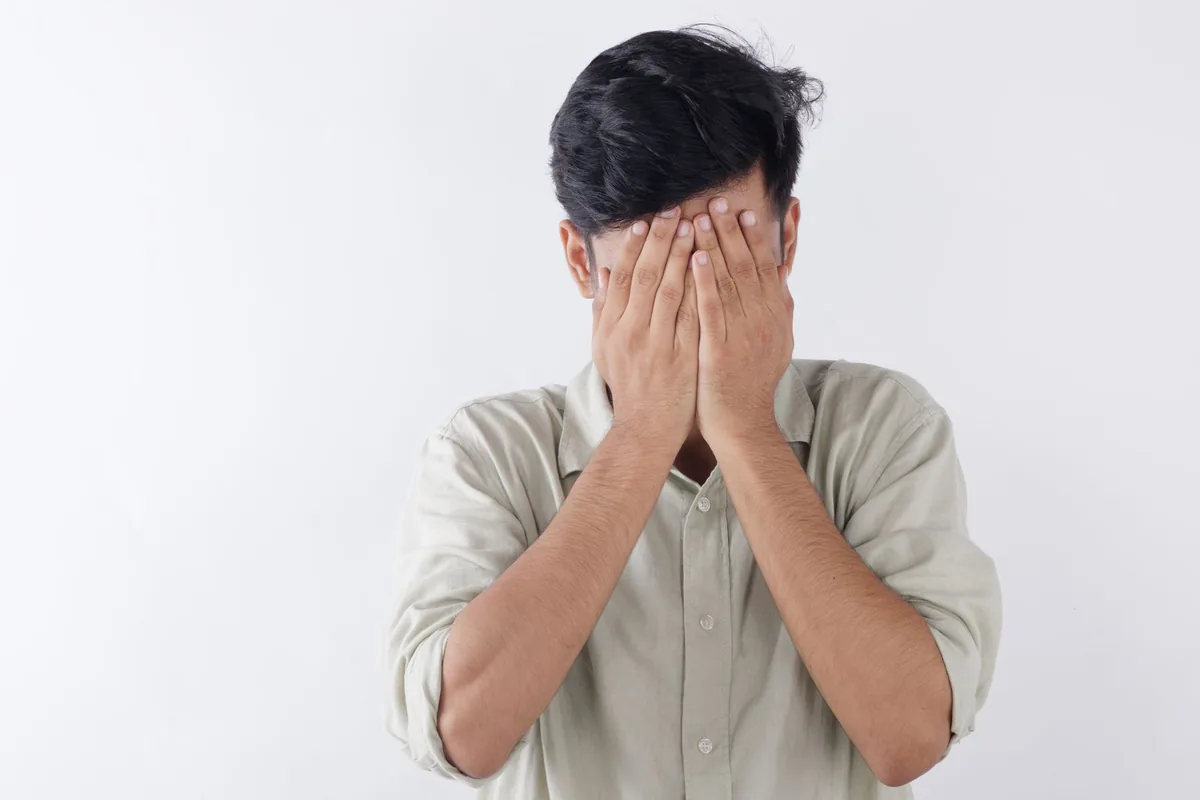
Peace, in the emotional sense, refers to a deep state of inner harmony characterized by freedom from internal conflict or disturbance. It extends well beyond momentary calm, describing instead a more settled, enduring quality of being at ease with oneself and one's circumstances. Psychologically, it is classified as a low-arousal positive state, placing it in the same family as serenity, though with a particular emphasis on the absence of inner struggle rather than simply the presence of pleasant feeling.
A defining feature of peace as an emotional state is that it does not depend on outward conditions being favorable. Because it rests on one's inner relationship to events rather than on their absence, it can persist even when external circumstances remain challenging or unresolved. Inner peace often arises in the wake of acceptance, the resolution of prolonged conflict, or the easing of persistent worry, leaving behind a quiet steadiness that proves more durable than ordinary relaxation.
Peace is closely related to the concept of equanimity — an even-minded orientation that neither grasps after pleasant experiences nor resists difficult ones. This quality of non-reactivity distinguishes peace from mere contentment, which may still be contingent on things going well. Across many philosophical and contemplative traditions, cultivating such inner peace has long been regarded as a meaningful goal of reflection and emotional maturity.
As a psychological state, peace represents one of the more stable forms of positive emotion, grounded not in external circumstances but in an individual's settled orientation toward their own inner life.
Sources: American Psychological Association — APA Dictionary: emotion; Greater Good Science Center, UC Berkeley — Emotions. Educational information only — not medical or psychological advice. See our sources & fact-check policy.
Frequently asked questions
What is peace?
Peace, in the emotional sense, is a deep state of inner harmony and freedom from inner conflict or disturbance. It goes beyond momentary calm to a more settled sense of being at ease with oneself and one's circumstances. As an internal…
What triggers peace?
Peace is typically triggered by resolved conflict, acceptance, harmony, inner reconciliation, stillness.
How is peace expressed?
Peace is commonly shown through soft relaxed face, unhurried breathing, open posture, gentle steadiness.
More moods & related states
Compare the emotions
See how this emotion compares with others on valence, triggers, and expression in our side-by-side table.
Compare emotions →