Sadness
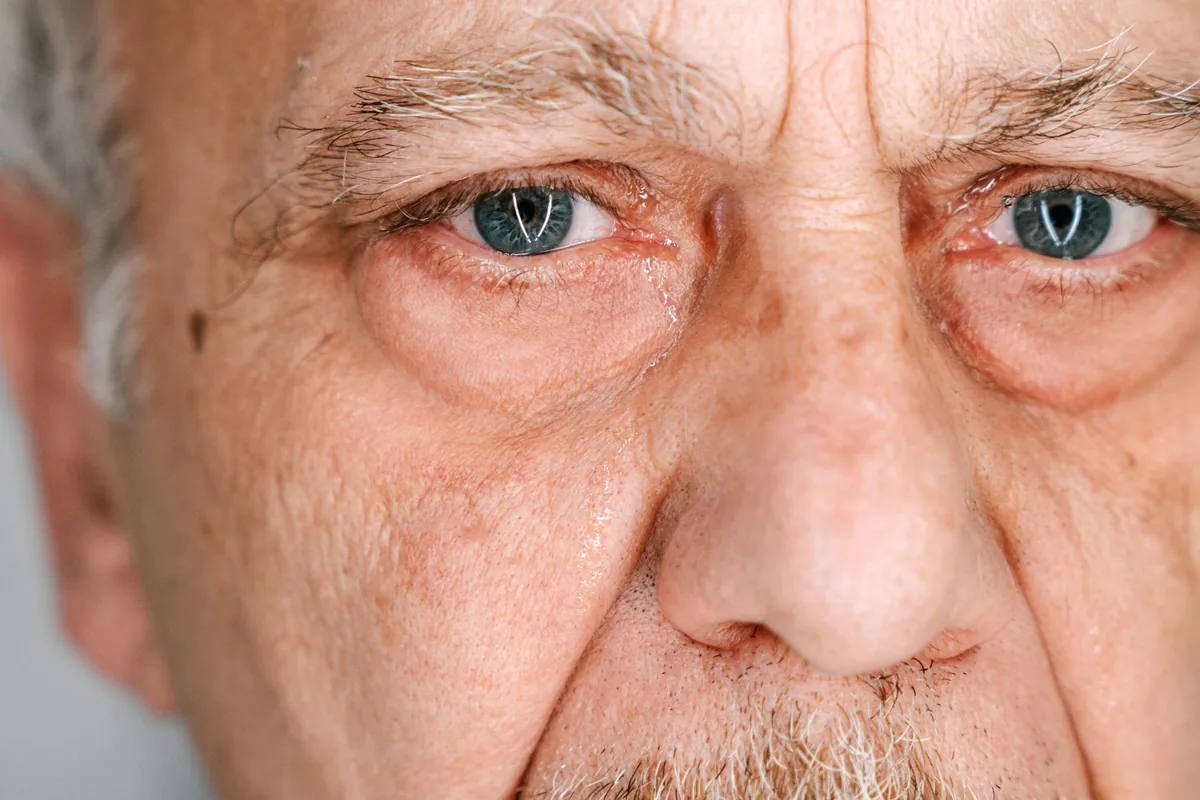
Sadness is the emotion that expresses a state of loss and difficulty. Sadness is the opposite of happiness. When people are sad, they become less talkative, less enthusiastic, and less interactive. This can take a toll on their social lives and professional performance. According to studies, sadness causes individuals to be slow at processing information.
Sadness is sometimes mistaken for depression. While depression does involve sadness, it is much more severe. Sadness is a temporary decrease in happiness; it is a short period of feeling down. Depression, however, can last for years and can disrupt many aspects of daily life.
Studies show that sadness in people is perceived by the general public as weakness and incapability. Therefore, sad people do not fare very well in social settings and job interviews. Sad people, in turn, base their opinions on their moods. They see negativity in the people and world around them.
Updated, sourced overview
The text above is preserved from the original listofhumanemotions.com article. The overview below adds current, sourced context.
Sadness is a basic human emotion that typically emerges in response to loss, separation, or disappointment. It functions as a signal that something meaningful has changed or ended, and it communicates this shift both internally and to others. When experiencing sadness, individuals often become quieter and less physically active, turning their attention inward rather than outward. This withdrawal can affect daily functioning in social settings and at work, though the degree varies depending on the intensity and duration of the sadness.
Sadness is a normal and typically temporary emotional response that differs importantly from clinical depression. While sadness may fade as circumstances change or time passes, depression is characterized by greater severity, persistence, and disruption across multiple areas of life. Understanding this distinction helps people recognize when sadness is within the range of typical emotional experience and when professional support may be warranted.
Research in psychology indicates that sadness can narrow attention toward negative aspects of situations, a bias that reflects the emotion's protective function during difficult periods. However, sadness also serves constructive purposes beyond signaling distress. It often prompts deeper reflection on experiences and circumstances, communicates a need for support from others, and can motivate meaningful personal change. Sadness, in this sense, is not merely an unwelcome state but an emotional response with adaptive value that most people will experience multiple times throughout life.
This page updates and expands an original listofhumanemotions.com article with current, sourced information.
Sources: Paul Ekman Group — Universal Emotions; American Psychological Association — APA Dictionary: emotion; National Institute of Mental Health (NIMH) — Depression. Educational information only — not medical or psychological advice. See our sources & fact-check policy.
Frequently asked questions
What is sadness?
Sadness is the basic emotion that signals loss, separation, or disappointment. When people are sad they tend to become quieter, less active, and more inward-looking, which can affect social and work life. Sadness is a normal, temporary…
What triggers sadness?
Sadness is typically triggered by loss, separation, disappointment, failure.
How is sadness expressed?
Sadness is commonly shown through downturned mouth, drooping eyelids, lowered gaze, withdrawal.
Is it one of the basic emotions?
Yes — sadness is one of the six basic emotions identified by psychologist Paul Ekman (happiness, sadness, anger, fear, disgust, and surprise).
More basic emotions
Compare the emotions
See how this emotion compares with others on valence, triggers, and expression in our side-by-side table.
Compare emotions →