Self-Doubt
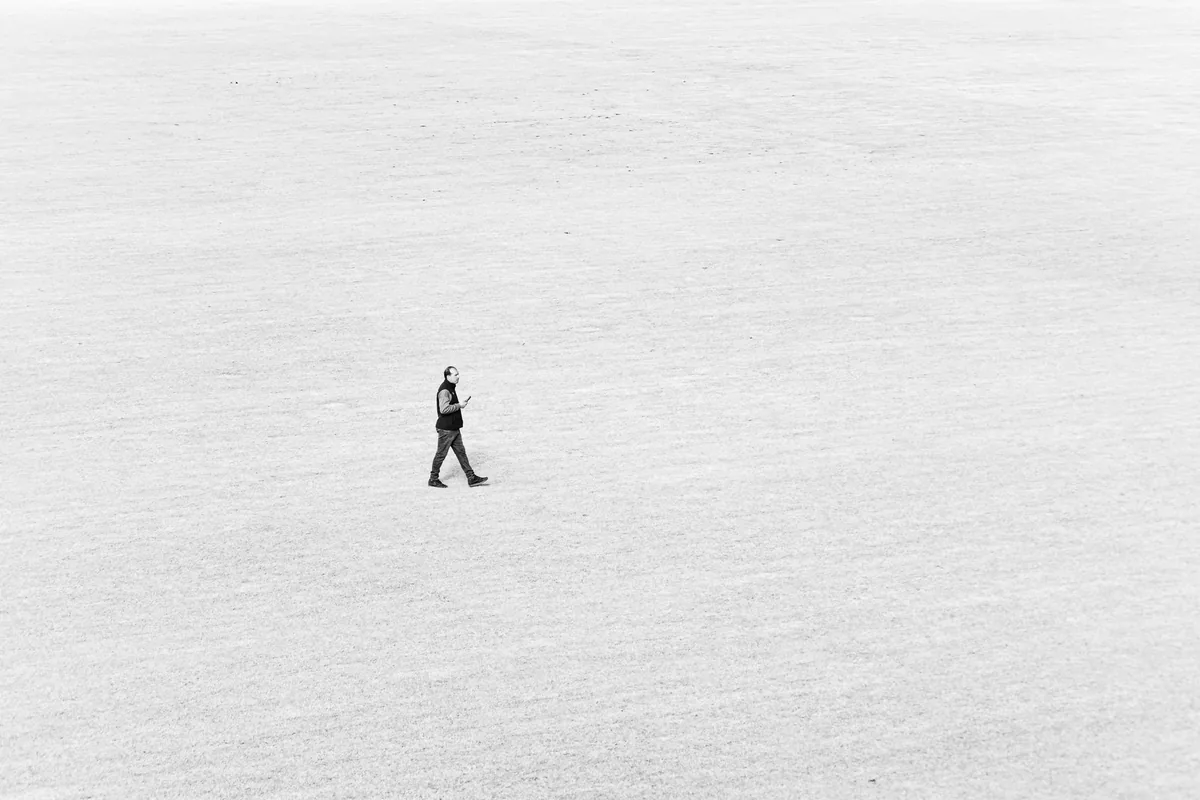
Self-doubt is the uncomfortable experience of questioning one's own abilities, judgments, or decisions. It typically emerges as hesitation and second-guessing, particularly in the face of challenges or following disappointments. When self-doubt takes hold, individuals may feel fundamentally uncertain about their competence or the soundness of their choices, creating an internal friction between desire and confidence.
The intensity and duration of self-doubt vary widely. In measured amounts, self-doubt can serve constructive purposes—it may prompt someone to pause before acting, prepare more thoroughly, or remain receptive to criticism and alternative viewpoints. This calibrated skepticism of one's own judgment can support thoughtful decision-making. When self-doubt becomes chronic or overwhelming, however, it can erode confidence and paralyze action, preventing individuals from moving forward with tasks or goals they are otherwise equipped to pursue.
Self-doubt is a commonplace emotional state, especially during periods of growth, skill development, or entry into unfamiliar territory. Rather than a sign of weakness or dysfunction, it reflects the human capacity for self-reflection and the natural friction that arises when capability and certainty do not align. Recognizing self-doubt as a normal part of learning and change can help individuals place the experience in perspective and understand it without judgment.
Sources: American Psychological Association — APA Dictionary: emotion; Greater Good Science Center, UC Berkeley — Emotions. Educational information only — not medical or psychological advice. See our sources & fact-check policy.
Frequently asked questions
What is self-doubt?
Self-doubt is the uneasy questioning of one's own abilities, judgments, or decisions. It surfaces as hesitation and second-guessing, especially before challenges or after setbacks, and it can make a person feel uncertain about whether they…
What triggers self-doubt?
Self-Doubt is typically triggered by new challenges, past failures, criticism, high stakes, comparison.
How is self-doubt expressed?
Self-Doubt is commonly shown through hesitation, second-guessing, lowered confidence, qualified speech.
More moods & related states
Compare the emotions
See how this emotion compares with others on valence, triggers, and expression in our side-by-side table.
Compare emotions →